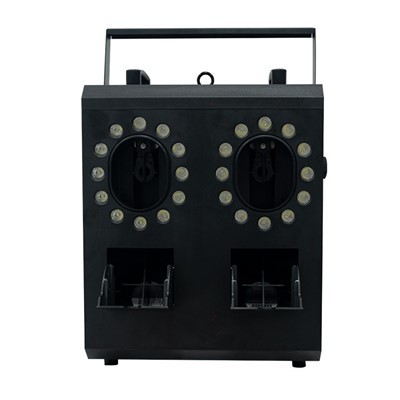


If you’ve ever stood at an outdoor festival, wedding stage, or community event and been wowed by how warm, crisp, or bright the light feels on performers or guests, chances are you were looking at an outdoor LED COB face light. As a supplier who’s spent years testing and tweaking these lights for everything from small town fairs to large-scale music tours, I get asked this question all the time: what’s actually the big deal about the light quality of these fixtures, and why does it matter more than just how bright they are? Let’s break this down like I’d chat with a regular at a trade show—no jargon overload, just real talk about what makes outdoor LED COB face lights’ light quality stand out, and how it works for your next event.
First, let’s keep it simple: COB stands for Chip-on-Board, and it’s the core of how these lights put out light. Unlike old-style lights that use multiple tiny LEDs spread across a circuit board, COB packs all the light-emitting chips tight together on a single surface. For outdoor use, that tight grouping is a game-changer right off the bat. You might be thinking, “Okay, so they’re brighter—big whoop.” But brightness alone (measured in lumens, for the nerds) doesn’t make light quality good. The real value for outdoor applications? How consistent that light is, even when the sun’s still up, or you’re setting up on a windy field that isn’t perfectly flat.
I remember a job a couple years back where we were lighting a county fair’s main stage. A competitor brought in a bunch of generic outdoor floodlights, and half the stage had this weird splotchy, uneven light—some areas were so bright you couldn’t look at them, others were dark enough that the local bluegrass band’s fiddles got lost. That’s the opposite of what outdoor LED COB face lights do. The tight COB chip layout creates a single, smooth light source instead of a bunch of tiny, individual light points. That means when you hang one of these lights above a performer, the light is even across their whole face, no weird hotspots or dark edges peeking through. For outdoor events, where there’s no ceiling to bounce light around (like you’d have in a concert hall), that uniform output is everything—you don’t have to worry about a sudden gust of wind shifting a light and making half the speaker’s face go dark mid-speech.
Next up: color accuracy, which is huge for outdoor stuff. A lot of people don’t realize that different light sources make colors look totally different. Old par cans, for example, tend to give things a weird yellow or green tint in direct sun, so when you’re trying to show off a custom wedding arch made of white fabric or a band’s new blue stage jackets, it looks flat or wrong. Outdoor LED COB face lights have way better color rendering index (CRI) scores than most traditional outdoor lights. CRI measures how accurately a light source shows real colors compared to natural daylight—most outdoor COB face lights we supply hit a CRI of 90 or higher, which is pretty close to what you’d see at noon on a clear day.
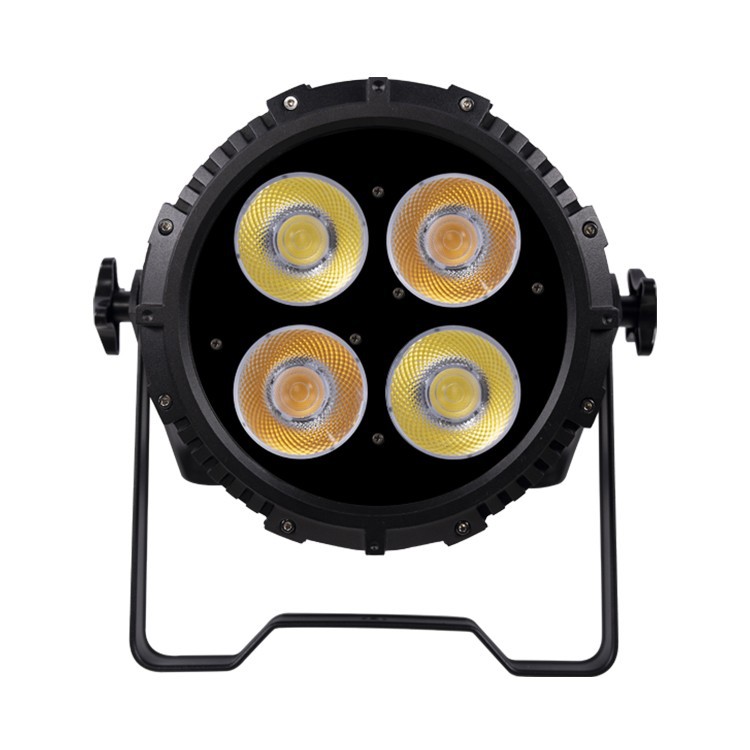
Last year, we worked on a 1920s themed outdoor gala in a historic park. The couple wanted all the vintage decor to look exactly as it would under real sunlight at their backyard reception, not the harsh orange glow of old outdoor lights. We set up two of our outdoor four eyes LED COB face lights at either end of the dance floor, and when the sun went down, the white tablecloths looked bright and pure, the gold candelabras glowed like actual gold, and the bridesmaids’ sage dresses didn’t look grey like they would have with cheap floodlights. That’s the kind of difference good light quality makes—you’re not just lighting a space, you’re making the things that matter look right.
But light quality isn’t just about how it looks during the event, right? Outdoor lights have to hold up to rain, humidity, freezing temps, and all that stuff, and that affects their light quality over time. I’ve seen cheap LED lights that start to fade after a year of being left outside—their colors turn yellow, they get dimmer, and the uniformity goes out the window. The outdoor LED COB face lights we design use high-grade chips and sealed, weather-resistant housings, so their light quality stays consistent for thousands of hours. A lot of our clients ask if they can leave them up between events, and we tell them yes, because we test ours to keep CRI and brightness steady even after 50,000 hours of use. No more replacing lights every few months because the sun and rain wore them out.
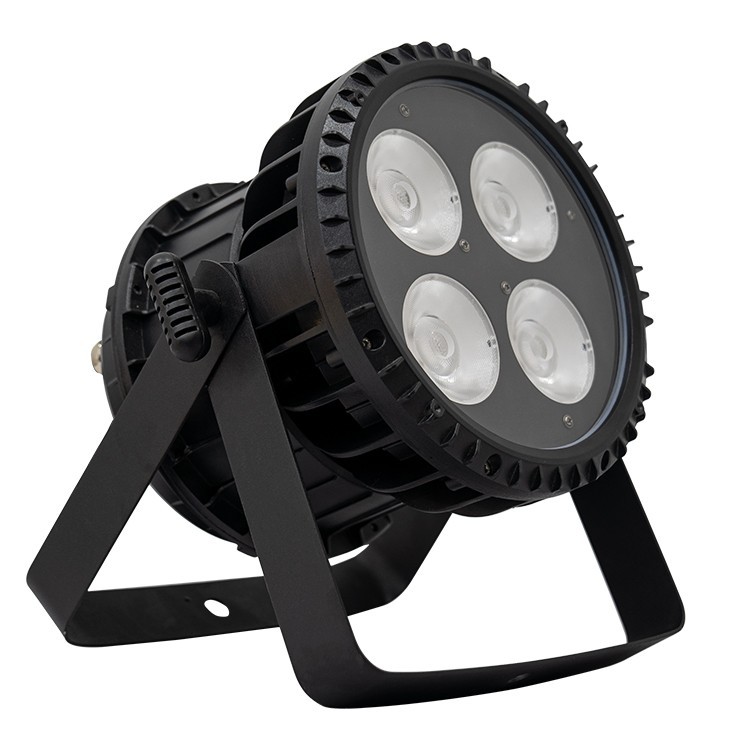
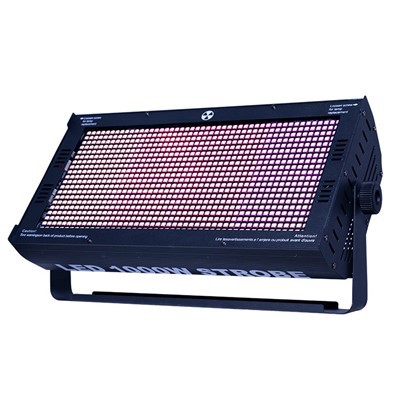
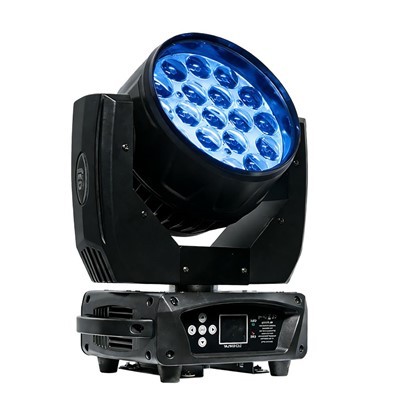
Another thing that’s unique to COB face lights vs. other outdoor lights is beam control, which is part of light quality too. For face light, you want to direct the light exactly where you need it—on the performer’s face, not spilling all over the crowd or blinding people sitting on the front row. COB’s tight chip layout means we can make really precise, adjustable beams without losing that smooth, even light. If you’re lighting a small outdoor wedding stage, you can pick a narrow beam to focus just on the couple, so the rest of the area stays dark for a cozy vibe. If you’re doing a large music festival, a wider beam covers a whole band and even the front row of the crowd. We have different models for that, like our outdoor 200W LED blinder light, which puts out super bright, wide beams perfect for filling large outdoor spaces without the splotchiness of older blinder lights. For moving setups, our outdoor 400W moving head COB face light lets you pan and tilt the beam as performers move, so their face is always lit evenly no matter where they go on stage.
Wait, I should also mention heat—outdoor lights can get super hot during a summer event, and too much heat ruins light quality fast because it makes LEDs dim and change color. COB lights are actually better at heat management than traditional lights because the tight chip layout lets us put efficient heat sinks right under the chips, so they stay cool even when they’re cranked up for full brightness in 90-degree weather. No overheating mid-event, no sudden color shifts because the light’s too hot. That’s a big one for outdoor use—you don’t want your opening act’s set ruined because a light overheated and died.
I get why people might not think about light quality first when buying outdoor event lights—most just look for the lowest price or the highest watt number. But after being in this game for over a decade, I can tell you: the difference between a good event and a great event often comes down to the light, and specifically how that light looks when it’s on a face or a decoration that matters. Last month, we had a client who booked our outdoor four eyes 200W LED COB face lights for a graduation ceremony in a local stadium. They told us afterward that the photos they posted online of their kid crossing the stage looked perfect—no weird shadows under the caps, the stage colors matched what the school’s theme was supposed to be, and everyone who attended commented on how bright but not harsh the light felt. That’s the kind of win good light quality delivers.
Now, if you’re curious to test these differences for yourself, or you’re putting together an outdoor event and want to make sure the light works for your space, we’ve got a range of models for every size and need. Whether you’re doing a small backyard wedding and need something compact, or a large music festival that needs powerful, long-lasting lights, we’ve got options tailored to outdoor use. If you’re looking for wide, blinding light for effects, our outdoor 400W LED blinder light is a solid choice. For moving shows where you need to follow performers, the outdoor 400W moving head COB face light is built to hold up to constant movement and outdoor weather. And if you want the even, controlled light that makes faces and details pop, our four-eye models like the outdoor four eyes LED COB face light or outdoor four eyes 200W LED COB face light fit the bill perfectly.
We’ve tested all these lights in rain, wind, extreme heat, and even freezing temps, so you don’t have to worry about showing up to your event and finding a dead light because of bad weather. Our whole team knows outdoor events—we’ve worked with small local planners and big national tour outfits, so we get that you need lights that perform as well as promised, look great, and don’t break your budget. If you’re ready to chat more about which outdoor LED COB face light would work for your event, or you want to ask specific questions about light quality, output, or weather resistance, feel free to reach out to our team to discuss your needs. We’re happy to help you pick the right setup for your next outdoor project.
References:
- "Lighting for Outdoor Events: Key Factors for Visibility and Experience", Event Technology Review, 2022
- "CRI and Light Quality: Understanding Color Rendering in LED Fixtures", Lighting Research and Technology, Vol. 54, No. 3, 2022, pp. 412-425
- "Outdoor LED Lighting Durability: Effects of Environmental Conditions on LED Performance", Journal of Architectural Lighting, 2021, pp. 78-85
- "COB LED Technology: Advantages for Uniform Light Output in Stage and Event Lighting", Stage Lighting Magazine, Vol. 18, No. 2, 2023, pp. 22-27